Tietoja kirjoittajasta

MyIntegration
Vieraileva kirjoittaja
Two Countries, Two Ways of Life, One Family Story
For most of my life, Sri Lanka was not simply the country where I lived. Sri Lanka was my home, my childhood, my education, my work, my friendships, my family, my culture and my memories. I spent many years there. I grew up surrounded by people, nature, agriculture, tea plantations, food, festivals, religion and the warmth of family and friends.
Then life brought a major change. I came to Finland with my family.
At first, Finland felt very different from everything I had known. The language was unfamiliar. The weather was completely different. The streets were quieter. People behaved differently. Government systems worked differently. Even small everyday things going to a shop, taking a bus, visiting a doctor, communicating with an office or looking for work could feel like a new lesson.
But after spending time here, I started to understand so
mething important. Sri Lanka and Finland are different, but both have things worth learning from.
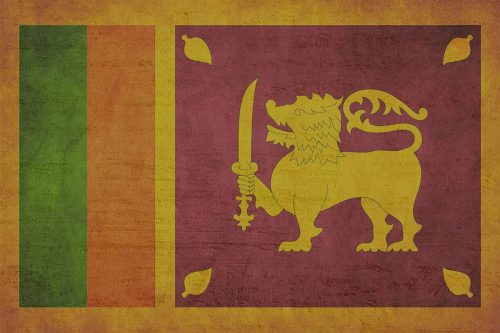
Sri Lanka – the country that raised me
Sri Lanka is a small island, but it has an enormous variety of people, cultures, landscapes and traditions.
The official government information describes Sri Lanka as a country with Sinhala and Tamil as official languages and English as a link language. Sri Lanka is also multi-religious, with Buddhism, Hinduism, Islam and Christianity all forming part of the country’s social and cultural life. For someone who has spent many years there, these things are not just statistics.
They are everyday life.
You see a Buddhist temple, Hindu kovil, mosque and church. You hear different languages. You eat different foods. You celebrate different festivals. You learn that a country can contain many different traditions.
One of the things many Sri Lankans value strongly is relationships. A neighbor can become like family. A friend can arrive at your house without a formal appointment. If someone is sick, people often want to visit. If someone has a problem, others may try to help. Family gatherings can be large and noisy. Meals can become social events. Birthdays, weddings, funerals and religious celebrations often bring many people together. This creates a very strong sense of community.
Sri Lankan nature
Sri Lanka gave me something that I will always carry with me – a connection with nature.
- Tea plantations in the mountains.
- Rubber trees.
- Coconut trees.
- Pepper and cinnamon.
- Rice fields.
- Wild animals.
Sri Lanka’s official tourism information highlights its coastline, national parks, tea estates, waterfalls, biodiversity and long cultural history.
For someone who has worked around agriculture and plantations, nature is not simply something beautiful to photograph.
Nature is work.
Nature is food.
Nature is income.
Nature is life.
Sri Lanka’s agriculture includes rice, tea, rubber, coconut and many spices, including cinnamon and pepper.
That is why leaving Sri Lanka does not mean leaving nature behind in my mind.
Then came Finland
Coming to Finland changed my understanding of many things. The first big difference I noticed was the system. In Sri Lanka, many things can depend heavily on personal relationships, experience and knowing where to go. In Finland, there is a strong emphasis on organized systems, official procedures, digital services, appointments, documentation and clearly defined responsibilities. The Finnish government provides extensive online public services covering areas such as employment, education, healthcare, social services, housing and many other parts of everyday life.
At first, this can be difficult for an immigrant.
You have to learn:
Where do I apply?
Which office handles this?
What document do I need?
What does this Finnish word mean?
What happens next?
And then there is the biggest challenge…
Finnish language
For me, learning Finnish is not simply learning another language. It is learning how to participate in Finnish society. You can survive for some time using English in many situations, but Finnish becomes extremely important when you want to understand everyday life more deeply, communicate confidently and improve your opportunities in working life.
Finland’s integration services specifically include Finnish or Swedish language studies and information about Finnish society, working life, rights and responsibilities.
So when I say: “I need Finnish here.”
I don’t mean only because I want a job. I mean I want to understand the country where my children are growing up.
Looking after people
This is another major difference that I have started to notice. Finland has systems designed to support people through education, healthcare, social services and employment services. For example, Finnish basic education is free and includes learning materials, student welfare services and a school meal. Healthcare also has legally protected patient rights, including respect for dignity, privacy, language and individual needs. For a parent, these systems can be very important.
You begin to think differently about the future.
You don’t only ask: “How can I earn money?”
You also ask: “What kind of environment will my children grow up in?”
Children in Finland
One thing that can be especially interesting for someone coming from Sri Lanka is how children are encouraged to become independent.
In Sri Lanka, families can be very protective. Grandparents, parents, relatives and neighbours may all be involved in raising a child.
In Finland, children are also supported strongly, but independence is often encouraged.
Children learn to
- Do things themselves
- Spend time outdoors
- Follow routines
- Respect others
- Take responsibility
- Participate in activities
- Understand nature
- Become independent gradually
These are things I can learn from Finland while still keeping the love and family values I received from Sri Lanka.
Sri Lankan warmth and Finnish trust
There is an interesting difference here.
In Sri Lanka, relationships can develop quickly. You may meet someone today and soon talk about family, food, work and personal life.
In Finland, people can initially appear more reserved. A Finnish person may not immediately talk a lot. But that does not necessarily mean they are unfriendly. Sometimes friendship takes longer to develop. There is often great importance placed on trust, privacy, personal space and keeping promises. This is something I am learning.
In Sri Lanka, we might show care by asking many questions. In Finland, someone may show care by respecting your space, following an agreement or quietly helping when help is needed. The expression is different, but care can still exist.
Two different systems
I don’t think it is useful to say that one country is simply “better” than the other. They developed differently. Sri Lanka has a more relationship based culture in many everyday situations. Finland places a strong emphasis on formal systems, institutions, equality before rules and organised public services. Both have strengths.
Sri Lanka taught me: relationships, hospitality, resilience, family, community and warmth.
Finland is teaching me: independence, punctuality, systems, responsibility, trust, personal space and planning.
I want my family to learn from both.
Finland’s relationship with nature
Finnish nature was another big surprise. In Sri Lanka, nature can mean tropical forests, tea mountains, coconut trees, beaches and warm rain.
In Finland, nature means: forests, lakes, snow, autumn colours, berries, mushrooms, clean air and long summer days. Finland makes it easy to notice nature because it is so close to everyday life. A walk can become part of the daily routine. Children can play outside. Families can go into the forest.
You begin to understand that nature is not necessarily a special destination. Nature can be part of normal life.
One month in Sri Lanka vs life in Finland
Imagine someone who has lived in Sri Lanka for decades and then spends only one month back there after starting a new life in Finland. That one month can feel completely different.
- The food tastes familiar.
- The language feels natural.
- Family conversations become easy.
- You know how things work.
- You know the roads.
- You know the people.
- You understand the jokes.
- You understand the culture without thinking.
But something has changed. You have changed.
When you return to Sri Lanka after experiencing Finland, you begin noticing things you previously took for granted.
- You may notice the noise differently.
- You may notice traffic differently.
- You may notice how people communicate.
- You may notice how government services work.
- You may notice the relationship between people and public spaces.
And then, when you return to Finland, you may miss Sri Lankan food, family gatherings, spontaneous conversations and the warmth of familiar people. That is the strange experience of migration. Your heart can belong to more than one place.
I don’t want to forget Sri Lanka
Moving to Finland does not mean rejecting Sri Lanka. I don’t want to forget the country that gave me my childhood and my experience. I don’t want my children to forget where their parents came from. I want them to know about:
- Sri Lankan food.
- Sri Lankan languages.
- Tea plantations.
- Family traditions.
- Sri Lankan history.
- Religious diversity.
- Our way of welcoming guests.
- Our way of helping family.
- Our way of celebrating together.
Sri Lanka’s cultural authorities also emphasise preserving and passing cultural values and intangible heritage to future generations. So culture should not disappear simply because a family moves to another country. We can carry it with us.
Why we need Finnish here
But at the same time, we cannot expect Finland to become Sri Lanka. We have moved here. Therefore, we need to learn Finland.
- That means learning Finnish.
- Learning Finnish society.
- Understanding Finnish laws and responsibilities.
- Understanding how work is organised.
- Understanding how schools and daycare work.
- Understanding how healthcare works.
- Understanding how employment services work.
- Understanding Finnish customs.
- Understanding personal space.
- Understanding punctuality.
- Understanding communication.
Most importantly: Respecting the country that we now call home. Learning Finnish does not make me less Sri Lankan. It gives me another identity as a person living in Finland.
What I want my children to learn
I want my children to receive the best values from both countries.
From Sri Lanka:
- Love your family.
- Respect elders.
- Help people when you can.
- Welcome guests.
- Never forget your roots.
- Appreciate food and culture.
- Respect different religions and traditions.
From Finland:
- Respect nature.
- Keep your promises.
- Respect time.
- Respect personal space.
- Value education.
- Understand equality and responsibilities.
- Learn the language of the country where you live.
- Become independent.
- Two countries, one journey
My story is not about leaving one country and choosing another. It is about moving from one chapter of life to another.
Sri Lanka gave me my roots. Finland is giving me a new direction.
Sri Lanka taught me how important people are. Finland is teaching me how important systems can be.
Sri Lanka showed me tropical nature. Finland is showing me northern nature.
Sri Lanka gave me my mother tongue and culture. Finland is giving me a new language to learn.
Sri Lanka gave me memories. Finland is giving me new experiences.
And as a parent, I now have another responsibility: to build a bridge between the two countries for my children. I want my children to be able to say: “We are proud of where our family came from, and we respect the country where we are growing up.”
That is what migration means to me. Not forgetting one home. But learning how to live between two worlds. Sri Lanka is where our roots are. Finland is where our new branches are growing. And our family is the tree connecting the two.
written by Milindu