How do I learn Finnish?
Have you ever wondered why some Finnish words stay in your mind right away, while others disappear almost immediately? Or why sometimes it feels like you understand a lot, but you can’t get a single word out when it’s time to speak? Or why studying takes so much time, yet progress is still hard to notice in everyday life?
Many learners of Finnish think about these same questions in their daily lives. These are not just one person’s thoughts – they are familiar to many.
That is exactly why these topics were explored together. On 6 November 2025, a Kotofoorumi event was held at the Hämeenlinna Main Library, where a presentation titled How do I learn Finnish? was given. The presentation was based on my own experience as both a learner and a teacher of Finnish. It included my own questions, ideas that emerged from my students, and practical tips that can make language learning easier in everyday life. The aim was to bring these thoughts together and share them with as many Finnish learners as possible.
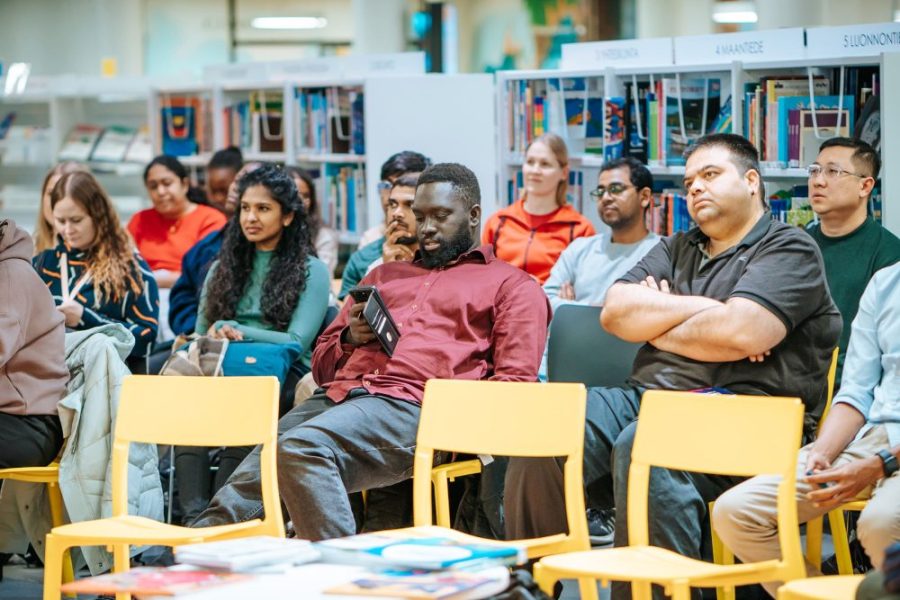
Kotofoorumi, autumn 2025 / photo: Prasath Sivakathimaralei
In this blog, we continue the same reflection. When we return to the questions asked at the beginning, it becomes clearer what language learning is really about. Finding answers is easier when we understand a little how learning works.
When we learn a new language, the brain processes information on different levels. Short-term memory holds information only for a short time, while long-term memory helps us remember things for longer. This can be explained with a simple example. Let’s imagine learning a new word. At first, the word goes into short-term memory. If the word is not used, repeated, or connected to something meaningful, it is easily forgotten. When the word is used, repeated, and linked to everyday life, it gradually moves into long-term memory.
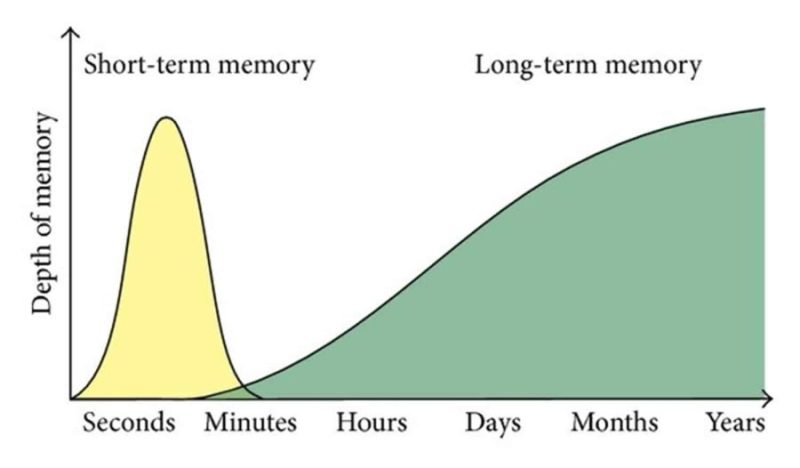
The following learning techniques support this transition from short-term memory to long-term memory.
Cognitive Techniques
Cognitive techniques focus on how the brain processes new information. As mentioned earlier, a word is easier to remember when it is linked to something familiar or concrete. This kind of linking can be done in many ways. One of them is visualization. For example, when you learn the word älykäs (clever) and connect it in your mind to Einstein and his face, the word is remembered more easily than if it were learned in isolation.
Linking can also happen between words. Association means connecting a new word to something you already know. When you connect the words älykäs (clever) and fiksu (smart), they form a small group that the brain remembers more easily.
However, linking alone is not always enough. Spaced repetition is the core of cognitive techniques. Without repetition, a new word is quickly forgotten. When a word is reviewed on days 1, 3, 7, and 15, it moves almost completely into long-term memory.
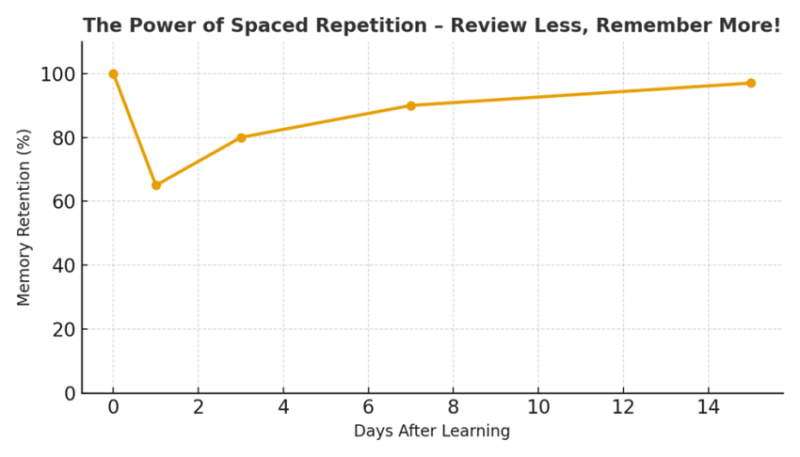
As shown in the image above, reviewing at the right time makes learning more permanent and significantly reduces forgetting.
Communicative Techniques
Communicative techniques mean that language is learned by using it. Speaking, listening, and interacting in everyday situations are important. These situations include, for example, shopping, conversations at work, or chatting with a neighbor.
To learn to speak in these situations, you need to dare to use the language. Speaking skills develop only by speaking. However, it is not always easy to find speaking opportunities in daily life. In that case, language cafés and conversation groups are safe places to practice. If you can’t find a speaking partner, you can also practice with AI or use apps such as TalkPal AI or Opeton. The most important thing is to use the language actively.
Input-Based Techniques
Before you can speak, you first need to understand. That is why listening and reading are the next important steps in language learning. The more you listen to and read Finnish, the more familiar the language becomes.
For many learners, it is easiest to start with clear and calm language. Good starting materials include Pikku Kakkonen easy-language stories, which also suit adult learners. As your language skills develop, you can gradually move to more natural spoken language, such as Niinku listening materials.
Alongside listening, it is good to build a regular daily routine. One effective habit is watching Yle News in Easy Finnish. Easy-language news helps you learn vocabulary from many different topics, such as health, politics, working life, and travel.
Listening and reading alone are not enough. After listening or reading something, you can pick out new words and return to them later. The Lingvis app also supports this by combining listening with vocabulary revision.
Memory Techniques
Memory techniques help you remember new words more easily. When a word is connected to an image, a sound, or your own actions, it stays in your mind better. Flashcard apps such as Quizlet, Wordwall, and Anki are helpful tools. They allow you to connect words with images and review them regularly.
Memory is also supported by active use. When you say words out loud in everyday situations and connect them to your own actions, the words do not stay only in learning materials. For example, you might say: “Minä keitän kahvia (I am making coffee)” “Isä leikkii lapsien kanssa (Dad is playing with the children)” “Aurinko paistaa, joten tänään on kaunis päivä (The sun is shining, so today is a beautiful day)” In this way, words are directly connected to what you do, see, or think in that moment.
Another important step is understanding connections between words. Finnish is a language where words are often combined. For example, the word vesi (water) is the base for many other words, such as vesipullo (water bottle), vesisade (rain), and vesiputous (waterfall). When words are seen as part of a whole, they are easier to remember and use.
Metacognitive Techniques
Metacognitive techniques mean thinking about your own learning. It is good to stop sometimes and ask yourself: What do I already know, and what should I practice more?
When you recognize your strengths and areas for improvement, you can guide your learning better. Maybe you understand Finnish well, but speaking feels difficult. Or maybe speaking goes well, but writing needs more practice. This helps you use your time and energy on what is most important for you right now.
Affective Techniques
Affective techniques relate to how learning feels. And this matters a lot. It is much easier to learn a language when you feel safe, relaxed, and comfortable.
That is why learning does not need to be too serious. Quite the opposite. Sing Finnish songs, watch videos, play games, laugh at words, and play with the language. These moments make learning lighter and more enjoyable.
And don’t forget mistakes. Mistakes are part of learning. They do not mean that you can’t do it – they mean that you are learning. When you are not afraid of mistakes, you dare to try more. And the more you dare to use the language, the more you learn.
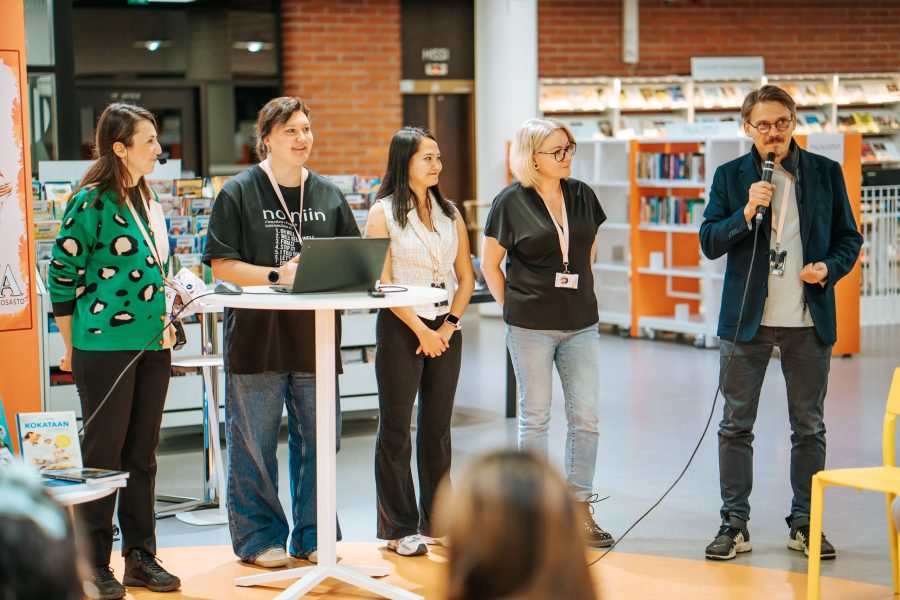
Kotofoorumi, autumn 2025 / photo: Prasath Sivakathimaralei
Finally
We have now looked at many different ways to learn a language. At this point, it is natural to wonder which one is the best. The truth is simple: there is no single right way. People learn differently and at their own pace. For some, writing works best. For others, speaking and interaction. That is why the best way to learn a language is your own way. When you notice what motivates you and what feels natural, you are already far along. In this sense, you are also your own best teacher.
Language learning is built from small everyday choices and actions. Every new word and every attempt moves you forward, even if progress is not always immediately visible. Learning is a journey that goes along with life and moves at its own rhythm.
This article is the first part of a three-part blog series. In the next post, I will share concrete and useful resources such as books, podcasts, easy-language materials, websites, and tools that can support learning Finnish in everyday life. Stay tuned!
Gizem Ertoprak
Finnish language teacher and lifelong learner of Finnish
Quickly to Work – Language Aware Integration Coaching project is an ESF+ project to be implemented in 2024–2027 and funded by the European Social Fund Plus and the Economic Development Centre of Central Finland